


Choosing between visibility classes is one of the more consequential decisions a safety program makes, and few crews face more variable conditions across a single shift than seasonal holiday installers. Understanding exactly when a class 3 safety vest is genuinely necessary, rather than either defaulting to it unnecessarily or under-equipping a crew working in higher-risk conditions, comes down to a few specific factors laid out under the ANSI/ISEA 107 standard.
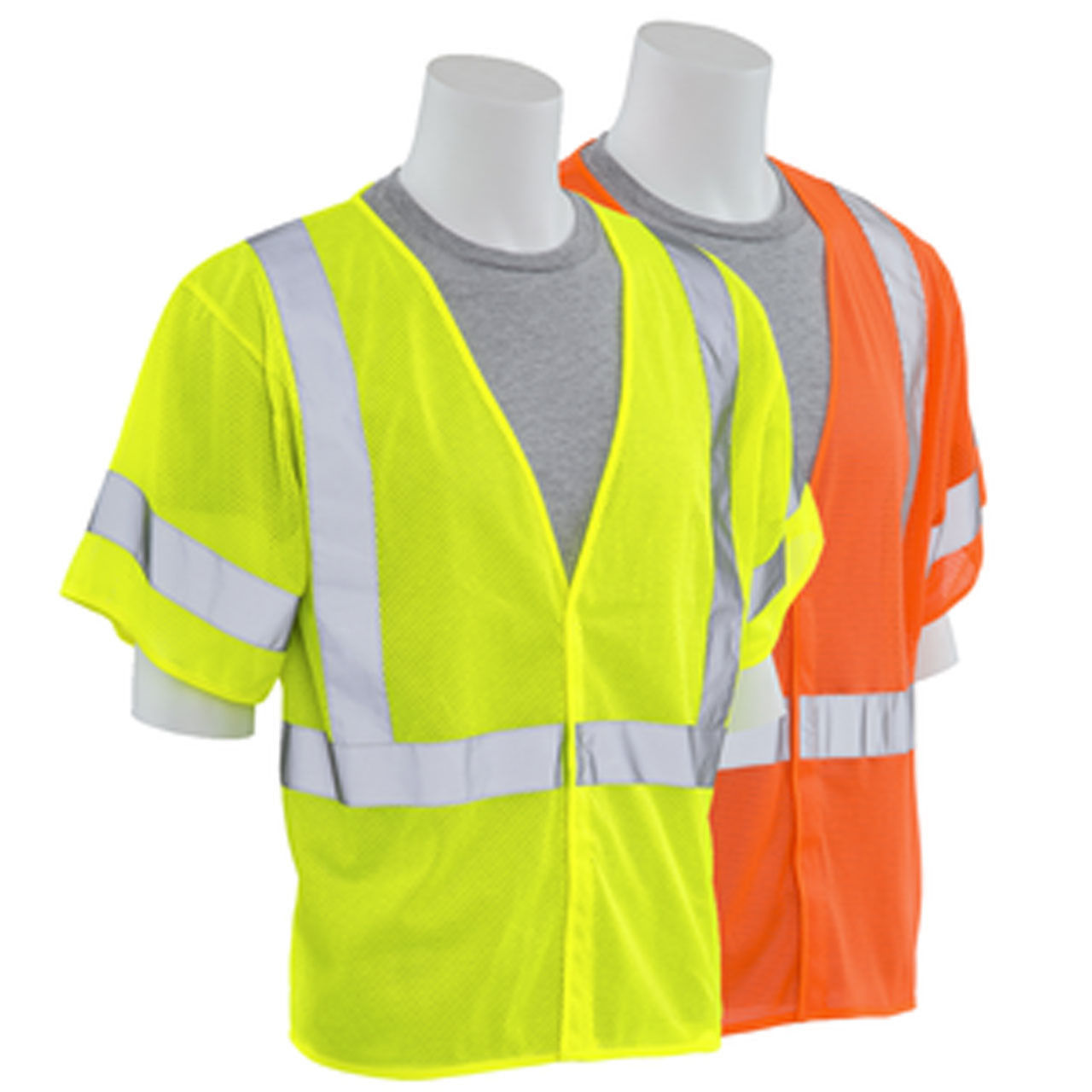
Class 3 represents the highest visibility standard within the ANSI/ISEA 107 framework, requiring significantly more background and retroreflective material than Class 2, the next tier down. This higher standard exists specifically for conditions where a worker needs to be identifiable as a human shape at greater distances and under more challenging visibility circumstances, including higher-speed traffic exposure, nighttime work, or reduced-visibility weather conditions. For most general daytime work with moderate traffic exposure, Class 2 remains a reasonable and widely used standard. Class 3 becomes the appropriate choice once any of these higher-risk factors enter the picture.
For holiday installation crews specifically, several recurring conditions push a job squarely into Class 3 territory. Installation work frequently begins before sunrise and extends well past sunset during the shortest days of the year, meaning crews are regularly working in low-light or fully dark conditions rather than consistent daylight. Any time installation work involves setup or teardown near active vehicle traffic during these low-light hours, whether in a commercial parking lot, a loading zone, or along a access road serving a large venue, Class 3’s additional retroreflective coverage becomes the more appropriate and protective standard rather than an optional upgrade.
Large-scale event venues and expansive commercial properties introduce their own version of this same risk profile. Crews working across sprawling parking structures, navigating forklift and cart traffic in warehouse and loading areas, or setting up displays near roadways with regular vehicle movement all face struck-by risks that Class 3’s enhanced visibility is specifically designed to reduce. Weather adds another layer of consideration, since installation work rarely pauses for fog, rain, or overcast conditions common during late fall and winter, all of which reduce ambient visibility and strengthen the case for Class 3 over Class 2, even during daytime hours.
It’s worth noting that Class 3 vests must be paired with the right supporting gear to deliver full-body visibility, since a vest alone covers only the torso. For crews working in genuinely high-risk night conditions, pairing a Class 3 vest with Class E-rated pants or bibs creates the full-body conspicuity recommended for the highest-risk scenarios, giving drivers and equipment operators a clearer, more complete visual signal of a worker’s position and movement.
Not every task on an installation crew’s schedule requires Class 3, and outfitting an entire team in the highest visibility tier regardless of task can create unnecessary cost and, in warmer conditions, added heat retention that affects worker comfort during long shifts. A more practical approach for warehouse managers and installation companies is stocking a mix of Class 2 and Class 3 vests, allowing crew leads to assign the appropriate level based on the specific site, time of day, and traffic exposure for each job rather than applying a single blanket standard across every task.
Getting this decision right protects workers where the risk genuinely warrants it while keeping crews properly equipped without unnecessary overreach on lower-risk tasks. Commercial decorators, professional installers, and warehouse managers preparing crews for a demanding peak season can find a full range of ANSI-compliant Class 3 safety vests, along with the supporting gear needed for genuine full-body visibility, at National Safety Gear, where matching the right protection to the actual risk is treated as the foundation of a safe installation season.