




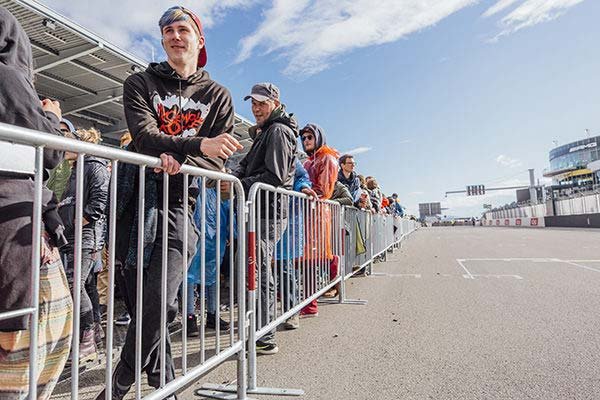
From city marathons to music festivals, parades to street fairs, public gatherings require thoughtful crowd control planning. One essential but often overlooked piece of equipment in managing both pedestrian and cyclist movement is a bike barrier. Designed to guide bike traffic safely while providing durable and visible crowd control, bike barriers play an important role in event logistics, traffic separation, and attendee safety.
Whether you’re planning an outdoor concert or coordinating urban bike routes for a civic event, integrating bike barriers as part of a comprehensive crowd management strategy helps protect participants, streamline movement, and prevent accidents.
What Is a Bike Barrier?
A bike barrier is a specialized type of barricade engineered to accommodate bicycle traffic while providing clear boundaries between cyclists, pedestrians, and restricted zones. Unlike standard crowd barricades, bike barriers offer features that support both visibility and structural integrity without impeding smooth bicycle passage.
Common uses include:
- Dividing bicycle routes from pedestrian walkways
- Marking secure perimeters at outdoor events
- Supporting temporary bike parking
- Separating bike lanes from vehicle traffic during road closures
By clearly defining space and movement patterns, bike barriers enhance safety and minimize conflict between different types of event traffic.
Why Event Planners Should Consider Bike Barriers
Modern events attract diverse attendee profiles, including cyclists. Whether part of a triathlon course, a cycling charity ride, a downtown street festival, or a recreational race, bikes are a fixture at many gatherings. Without proper separation from pedestrians and automobiles, cyclists and spectators can find themselves in risky situations.
Bike barriers help event organizers achieve several critical objectives:
1. Enhanced Safety
Bike barriers act as a physical buffer that reduces unintended interactions between cyclists and crowds — particularly in high-traffic or mixed-use areas. Protecting both riders and pedestrians should be a priority for any public event.
2. Clear Traffic Flow
Designated pathways supported by bike barriers facilitate organized bike movement. This not only promotes a more enjoyable attendee experience but also reduces confusion during peak periods of activity.
3. Compliance with Regulations
Cities and municipalities increasingly require event safety plans that include physical crowd control measures. Bike barriers help demonstrate compliance with local safety standards and risk management protocols.
4. Flexible Installation and Configuration
Bike barriers are designed to be easily deployed and reconfigured to match unique event layouts, making them ideal for both short-term functions and extended municipal installations.
Applications Across Industries
Large-Scale Events & Festivals
Concerts, street fairs, and music festivals draw large crowds and often fast-moving attendees. Employing bike barriers helps guarantee predictable flow and dedicated pathways for cyclists.
Government & Municipal Agencies
Urban spaces frequently host bike-oriented programs and temporary routes for events like Bike-to-Work Day or seasonal street closures. Bike barriers enable agencies to quickly define lanes and maintain safe separation from other traffic modes.
Security & Logistics Companies
For security professionals tasked with comprehensive event operations, bike barriers offer a reliable tool to manage mixed-traffic environments. They help maintain visibility, direct movement, and preserve clear emergency access corridors.
Sporting Events
From charity rides to competitive races, bike barriers play an important role in separating course lanes, staging areas, and spectator zones — reducing risk and enhancing race operations.
Key Features to Look For in Bike Barriers
Not all bike barriers are created equal. When evaluating options, event planners and safety professionals should consider the following characteristics:
Durability
Look for barriers constructed from robust materials such as heavy-gauge steel. These resist bending and withstand repeated deployment at multiple events.
Stability
Barriers with interlocking bases or weighted feet help prevent tipping — especially in high-wind outdoor environments.
Visibility
High visibility helps cyclists and pedestrians clearly recognize route boundaries. Reflective accents, bright paint, and consistent spacing amplify awareness.
Ease of Installation
Quick-connect or modular systems reduce labor time and simplify setup and breakdown — an important factor for busy event schedules.
Partnering with a trusted provider ensures you receive equipment that meets these standards and integrates smoothly with your overall event plan.
Planning for Success With Bike Barriers
Effective crowd and bike movement management begins long before the first attendee arrives. Consider the following best practices:
Conduct Site Assessments
Understanding potential conflict points, bike routes, entry/exit zones, and emergency access routes is essential when determining barrier placement.
Integrate With Other Safety Assets
Bike barriers work best in combination with signage, staff direction, designated lanes, and security personnel monitoring key areas.
Coordinate Logistics
Schedule barrier delivery, installation guidance, and removal timelines in advance so that setup aligns with event floor plans.
Account for Weather and Terrain
Outdoor events must account for wind, rain, and surface conditions when positioning and securing barriers.
Thoughtful planning enhances both safety and the crowd’s overall experience.
The Value of Professional Support
For complex events involving multiple traffic modes — pedestrians, cyclists, vehicles — and large crowds, DIY approaches to barrier planning can quickly become overwhelming. Partnering with experienced crowd management specialists ensures that your bike barriers are positioned effectively and that your overall safety strategy aligns with operational goals.
Reliable providers also assist with delivery logistics, configuration recommendations, and rental flexibility — saving event planners time and reducing the burden of after-event storage.
Conclusion
In a world where public events are becoming more dynamic and multi-modal, protecting attendees and managing traffic flow are non-negotiable priorities. A bike barrier is a practical, versatile solution that contributes to safer environments, clearer pathways, and structured crowd movement.
As event planners, municipal teams, and security professionals look to enhance public safety strategies, integrating dedicated bike barriers into your layout supports better logistics — and protects everyone involved.
For reliable crowd safety hardware, expert guidance, and flexible equipment solutions, turn to Epic Crowd Control — your partner in professional crowd management and event execution.